BBB Accredited Business.
A+ Rating
100% Financing,
No Money Down Get
Prequalified In Minutes
Over 19 Years Of Experience
Licensed , Bonded Insured
Thousands of customers all
over Southern California
Why Your SDG&E Bill Keeps Spiking: The Thermodynamics of Variable-Speed Inverter HVAC Systems
San Diego Gas & Electric (SDG&E) customers pay some of the highest electricity rates in the United States. With average residential bundled rates hovering around 45.7¢ to 46.4¢ per kilowatt-hour (kWh)—more than double the national average—running an outdated,
single-stage air conditioner during summer heatwaves can easily add $400 to $800 a month to your utility bill.
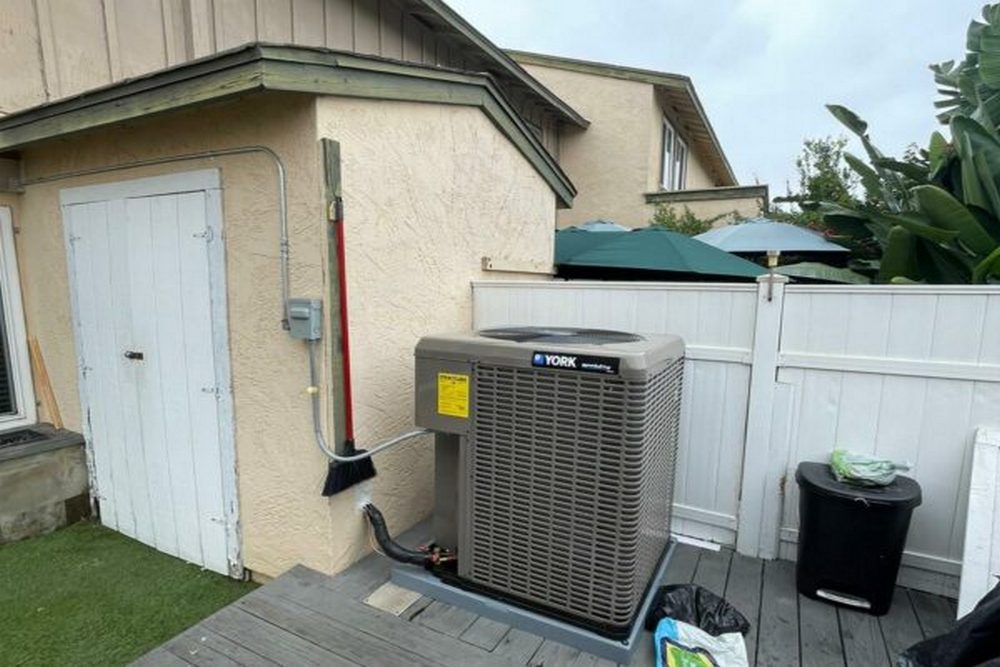
Understanding the thermodynamics of HVAC engineering explains why old air conditioners devour electricity and how upgrading to a modern variable-speed inverter system cuts energy consumption by up to 50%.
1. The Broken Physics of Single-Stage HVAC Units
Traditional HVAC systems installed 10 to 15 years ago operate on a binary principle: they are either 100% ON or 100% OFF.
- ThePower Surge Problem: Every time a single-stage compressor kicks on, it demands an immense electrical surge to jump-start the motor. This constant on-and-off cycling draws massive amounts of peak-hour electricity under SDG&E’s brutal time-of-use (TOU) rate schedules.
- Temperature Rollercoaster: Single-stage units blast cold air until the thermostat is satisfied,then shut off As soon as they shut off, indoor humidity climbs and heat seeps back in, causing the system to roar back to life 20 minutes later.
2. How Variable-Speed Inverter Compressors Change the Game
Modern high-efficiency HVAC systems utilize variable-speed inverter compressors (such as Bosch, Trane, or Carrier units). Instead of operating like a light switch, an inverter compressor operates like a dimmer switch.
- 1%Incremental Adjustments: Once the system cools your home, it throttles down to run continuously at 20% to 30% capacity, maintaining an exact, stable indoor
- EliminatingStartup Surges: By avoiding the constant power spikes associated with single-stage units, variable-speed systems slash electrical draw.
- DeepDehumidification: Longer, slow-speed runtime cycles pull moisture out of the Drier air feels cooler at a higher thermostat setting (e.g., feeling comfortable at 76°F instead of 72°F), saving substantial energy.
3. HVAC Efficiency Tier & Utility Savings Matrix
| HVAC System Technology Tier | SEER2
Efficiency Rating |
Compressor Operation Mode | Estimated Monthly SDG&E Bill Impact | Estimated Equipment Investment |
| Aged Legacy System (10+ Years Old) | 10.0 – 12.0
SEER |
Single-Stage (Inefficient) | $450 – $750+ /
month in summer |
Outdated / High repair costs |
| Standard Entry Tier Replacement | 14.3 – 15.2
SEER2 |
Single-Stage Scroll | Baseline High Cost | $7,500 –
$10,500 |
| Mid-Tier Performance System | 16.0 – 18.0
SEER2 |
Two-Stage Scroll | 20% – 30%
Reduction |
$11,000 –
$15,000 |
| Maximum Efficiency Inverter | 20.0 – 24.5+ SEER2 | Full Inverter Variable-Speed | 40% – 50%+
Reduction |
$16,000 –
$24,000+ |
Conclusion
With SDG&E rates climbing year after year, continuing to operate an inefficient HVAC system is a financial liability. Upgrading to a 20+ SEER2 variable-speed inverter system transforms home climate control, slashes energy waste, and pays dividends every month on your utility statement.